

At first glance, the topic of cables in home studios might not seem like the most thrilling subject. Cables, after all, are often overlooked. However, their significance, especially in a home recording setup, should not be underestimated. Did you know that a TS cable, typically used for instruments like guitars, can inadvertently pick up radio signals? For a sound engineer trying to clean up a recorded guitar track, this can turn into a nightmare.
The purpose of this article is to simplify the cable selection process for those who are not necessarily interested in diving into the technical intricacies but seek better, noise-free recordings in their DAW (Digital Audio Workstation), such as Ableton Live or Logic Pro X.
Here’s an overview of which cables to use and the optimal cable length to minimize noise and enhance the quality of your home recordings:
TS Cable
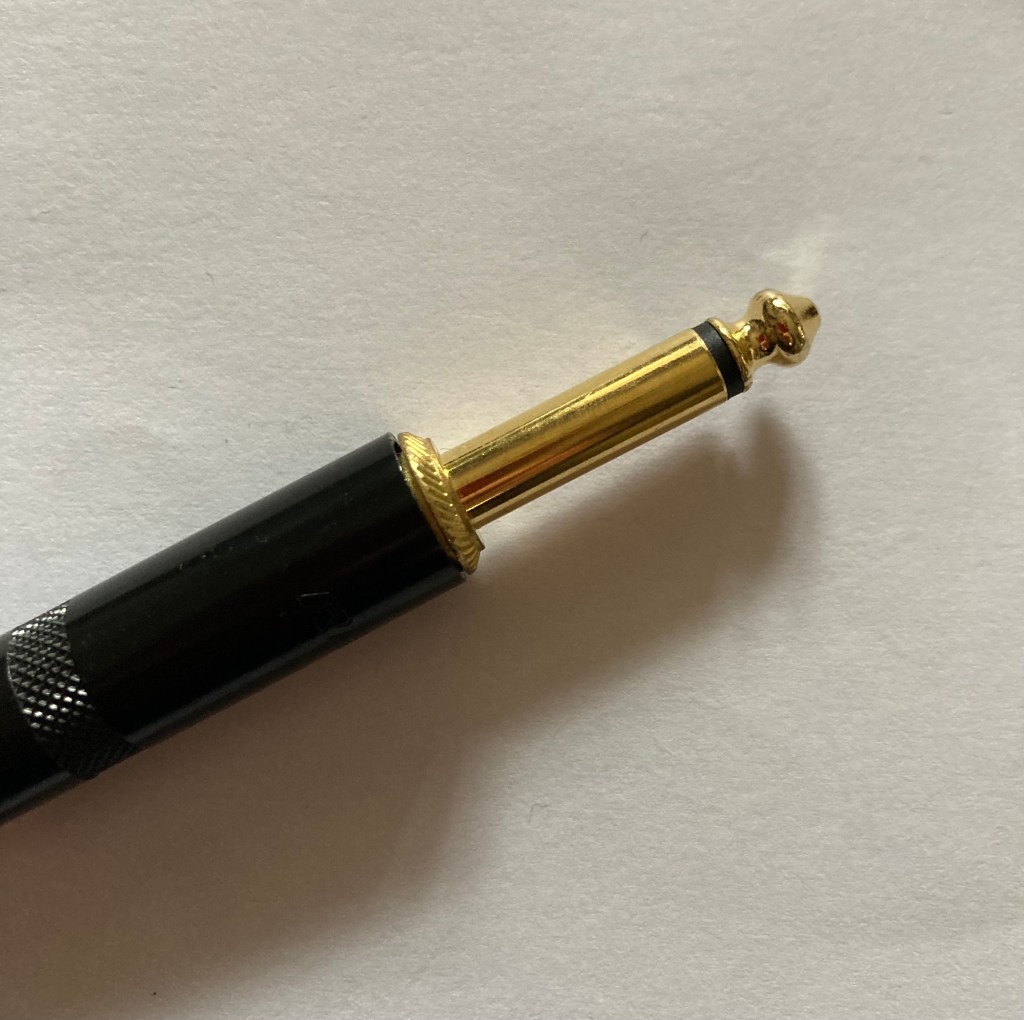
TS cables are available in two sizes: 1/4 inch and 1/8 inch (3.5mm). The larger 1/4-inch size is commonly used for guitars, while the smaller size serves handheld devices and other mono computer equipment.
In summary, TS cables are best for connecting to most mono equipment, such as guitars. To minimize noise, use the shortest TS cable possible when recording. Remember that older cables are more prone to introducing noise. If you require a longer cable, opt for a short TS cable connected to a Direct Box, and pair it with a longer XLR cable. If you’re working on a budget and lack a Direct Box, you can still achieve better results with a shorter TRS cable.
I won’t overwhelm you with technical details. Instead, I’ll dive right into the practical use of the TS (tip-sleeve) cable. TS is a mono cable often employed to connect instruments like guitars to combos and other equipment. It’s characterized by having just one black ridge that separates the tip from the sleeve. It lacks a ring, making it susceptible to picking up ambient noises, including background radio signals. To ensure minimal interference when recording, opt for the shortest TS cable possible.
Consider periodically changing this cable. While it’s understandable to work within a budget, scrimping on this cable can lead to a nightmare when you attempt to record a pristine guitar sound. Older cables tend to introduce more unwanted noise during recording. If you require a longer cable, use a short TS cable, connect it to a Direct Box, and then use an extended XLR cable. Alternatively, you can use a slightly longer TRS cable to capture a balanced mono signal.
TRS Cable
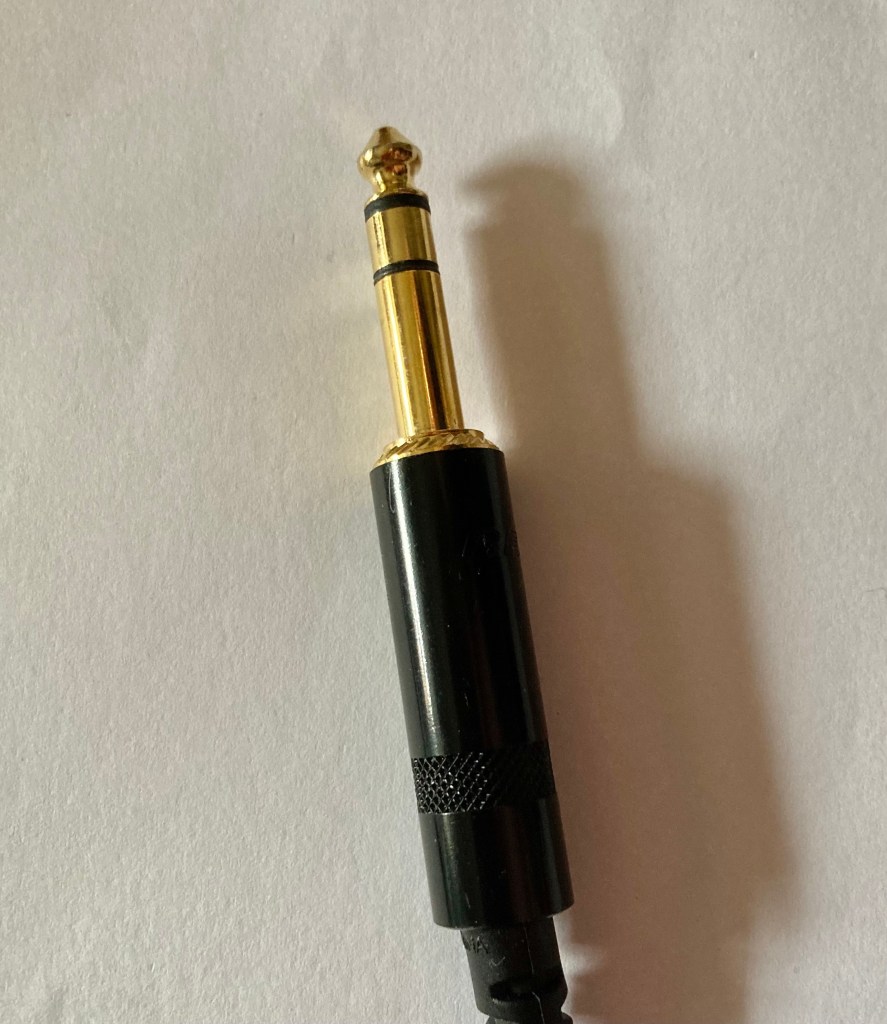
The TRS (tip-ring-sleeve) cable closely resembles the TS cable, but upon closer examination, you’ll notice that it features two ridges instead of one. TRS cables are versatile and can serve as either stereo cables or balanced mono cables. You can use them for guitar recording to reduce noise, but keep an eye on the cable’s length. For the best noise-free recording, employ a short TRS cable in conjunction with a Direct Box and an XLR cable.
TRS cables come in two sizes: 1/4 inch (as depicted in the image) and 1/8 inch (3.5mm jack, commonly found on headphones). It’s advisable to change the cable from time to time to maintain the quality of your recordings.
In summary, TRS cables can connect to various stereo equipment and can be used for balanced mono recording when connected to instruments like guitars. To minimize noise, use the shortest TRS cable possible. You’ll achieve superior results when combining a short TRS cable with a Direct Box and a long XLR cable for recording guitars or other mono equipment.
XLR Cable
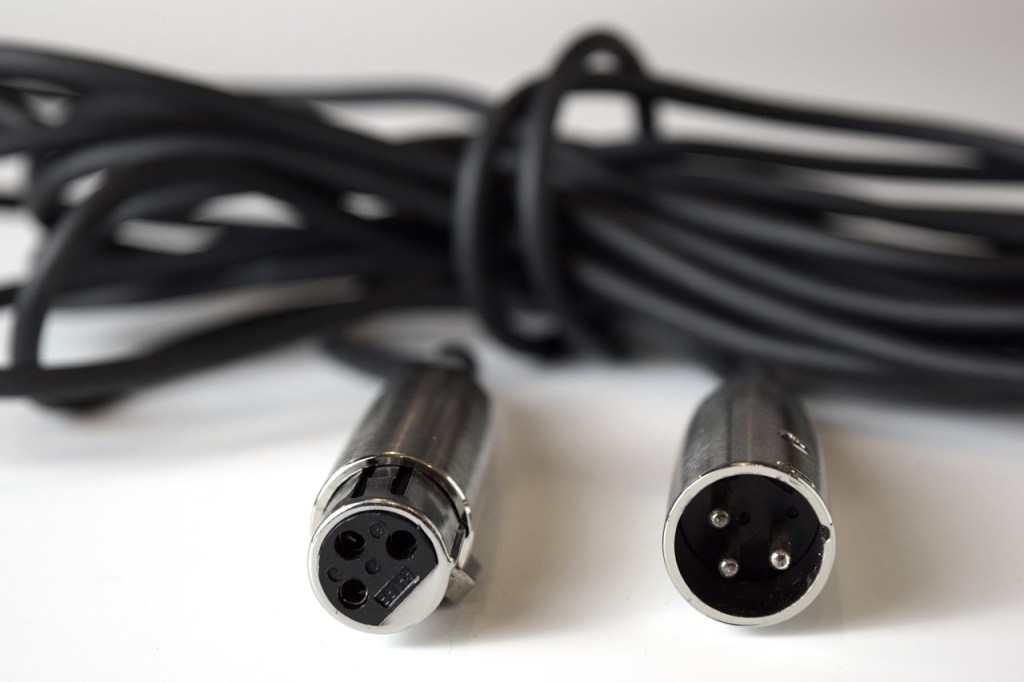
The XLR cable can be deemed the “Sound Engineer’s Best Friend.” This cable is virtually impervious to noise and can be used in generous lengths for recording. Its locking mechanism ensures a secure connection to all equipment. One end of the cable is usually male (with pins), and the other is female (with holes).
While you may associate the XLR cable with microphone connections, it can be employed to connect various other equipment as well.
While you may associate the XLR cable with microphone connections, it can be employed to connect various other equipment as well.
Direct Box
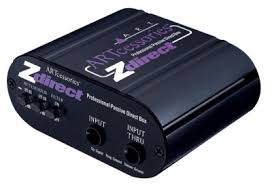
In simple terms, a Direct Box is a device that simplifies the connection of instruments that use TS or TRS cables to XLR cables. It also offers something known as Phantom Power, which is essential for condenser microphones used in studio recording, as it amplifies their signal. Direct Boxes are versatile and come in various shapes and sizes. They have other useful applications and are a valuable investment, not only for home studios but also for live performances.
In summary, Direct Boxes facilitate the connection of TS and TRS cables to XLR cables. They are particularly useful for studio microphones requiring Phantom Power. Using Direct Boxes allows you to employ longer, stable cables when needed. They are affordable and a valuable addition to your recording setup.

 Black Bat Records
Leave a comment