
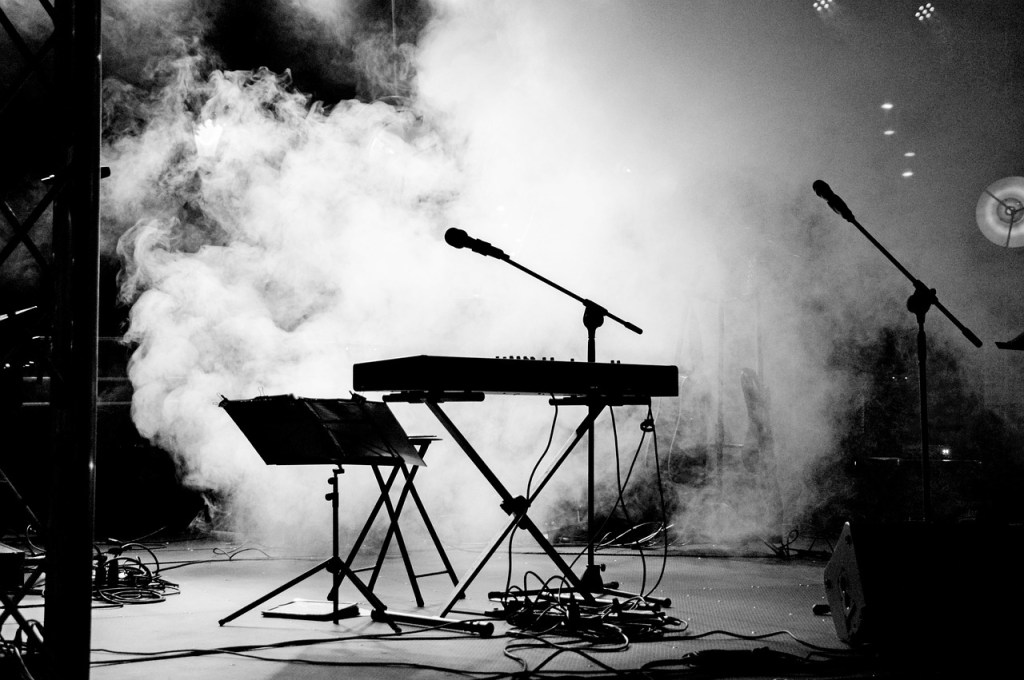
Art is one of the most intimate forms of human self-realization. But even humans are creatures with their own basic needs. In short, they (mostly) don’t live off of admiration and recognition alone. So artistic activity is also work in its own way. And if the result of their creation is of high quality, in addition to social recognition, financial reward is also expected.
Everyone needs to make a living. So does an artist. They often devote an extremely large amount of their life time and energy to their art. In order to be able to create truly high-quality work, they dedicate themselves to learning how to create art from a young age and, in fact, their entire lives. The recipient of art/buyer then pays a relatively high price for the artwork. Why? Because they are not only paying for the time and materials/technical aids + environment used to create the artwork, but also for all those years of learning and lifelong hard work that the artist had to put in before they were able to create a specific artwork.
It’s a little different with music. Whether it’s popular or minority. Usually, relatively fixed amounts are given for buying a song or album. There are also platforms where an artist, in this case a musician, can offer their music for a set price. However, they should soberly estimate the amount with regard to the current market situation.
Many musicians (and other artists) perfectly master the craft aspect of creation. When they then add something specific to it, something of themselves, or dare to experiment with something that has not yet been tried, success can come relatively quickly and it can be relatively big. Of course, many then start repeating working procedures with the vision of greater earnings and greater fame. Some hone their unmistakable signature (for which their audience loves them), others start stealing from themselves or other artists, or fumble in an artistic crisis.
After a slightly longer introduction, we get to the cycle. This cycle works for art in general and even on society as such. For a simpler explanation of this principle, we will stick only with music.
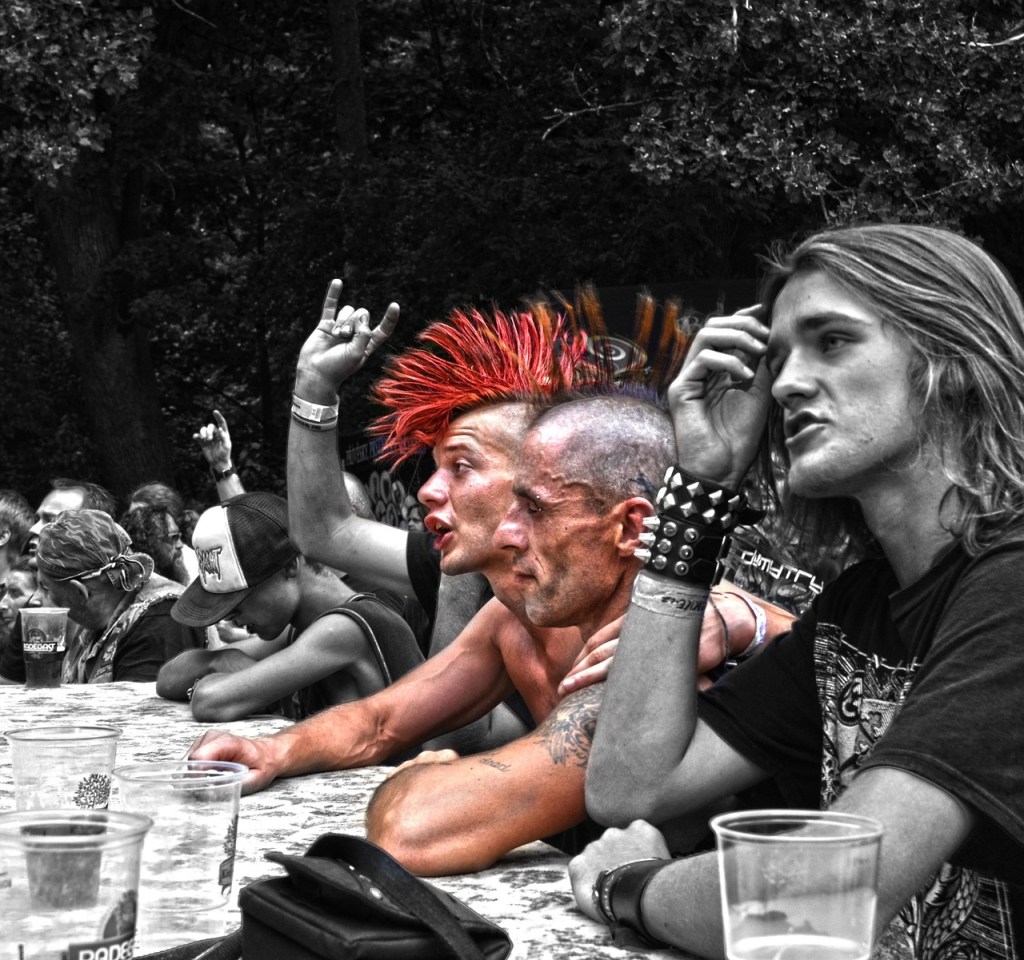
At the beginning, we have an established musical style, or styles. The mainstream, which is repeated over and over again. And even if it is of high quality, even if it has seemingly unlimited fans, it slowly starts to lose its juice. It repeats itself, it steals away. Take, for example, Rock in the late seventies. High-quality music, but for the youth it sounded like music for old people. And so they rebelled and Punk was born. Rebellion. Denial of procedures. Underground. Underground. Provocation with a new raw sound, provocation with the themes of the lyrics, appearance, etc. However, every joke is funny only for some time. New punk bands began to emerge like mushrooms after the rain. Suddenly, it seemed like everyone was playing punk. And ten years later, punk itself actually became mainstream. Of course, there were artists who remained true to their roots. But many, with a growing number of fans, began to be as popular as their predecessors, against whom they were artistically in opposition. They reached their peak and interest began to decline over time. And so a new trend came – Grunge. Then Neopunk, Emo, Neogrunge, to the current Trap (which mixes Punk, Electronica and Hip-Hop in a Lo-Fi aesthetic). The circle keeps turning.
There are countless musical styles and I will take a look at some interesting ones for you. Some seem to avoid this pattern and live their own parallel lives. But more on that some other time.
Author

Dr. Love
Electronic music producer, DJ, cameraman, photographer and art enthusiast of various kinds. Made in 1985, graduated as a graphic designer, cameraman, editor and director. Music is his great passion. He got into industrial and various other styles of the alternative music, so-called dark scene, through punk and techno.
 Black Bat Records
Leave a comment